The post Racism in Canada: Words to tell wrongs appeared first on CANADA VOICE.
]]>
Canada is usually referred to as a country of immigration, a country open to difference, a country that embraces multiculturalism. But more and more voices are rising to denounce ordinary or systemic racism and racist incidents, some of them tragic.
Canada is usually referred to as a country of immigration, a country open to difference, a country that embraces multiculturalism. But more and more voices are rising to denounce ordinary or systemic racism and racist incidents, some of them tragic.
We therefore wanted to make the victims of racism heard, to give voice to the words that tell the wrongs.
This dossier brings together a few testimonies from victims of racism in Canada. Testimonials that vividly demonstrate the tragic experiences that can be experienced by those whose skin is not white or whose name comes from ‘elsewhere’, whether they are immigrants or born in Canada.

Pamphinette Buisa / Photo: Radio-Canada
Pamphinette Buisa
Victoria, British Columbia
Pamphinette Buisa represents Canadian rugby internationally and at the Olympic Games. Involved in the fight against racism since the tragic death of George Floyd in the United States, the player of Congolese origins has participated in numerous demonstrations and actions in British Columbia. She also tries to use her influence as an athlete to give a voice to those who have been left out. She agreed to share her experience with racism with Radio Canada International:
‘The very, very first time, I was really young, I was in kindergarten. And, you know, when you’re in kindergarten, you’re pretty young and you don’t really have a strong concept of what race or racism really is. You’re just a kid.
We were playing at the playground, and I remember when we were sitting there and there was a little kid, a little white child who was like Why are you black?
And then I was like I don’t know
.
And then, all of a sudden, she said the N-word. And she was like My mom says this
and then said it. I didn’t know what it meant, but I knew that it hurt.
As I was growing up, not necessarily understanding what these words that had been described and put on me meant, but seeing how I felt, I think it was quite difficult to understand, to get my head around the weight of these words.
That wasn’t necessarily something I understood, but it was something historically that had been used to weaponize, destroy and damage a lot of people that look like me.
And so for myself, a lot of this concept of race is something that I’ve always been hyper aware of, especially when I was young, moving in different spaces, especially if it was a predominantly white space. At that time, I realized that I was different. I went back home and I was like Mom, this kid called me the N-word
. But my parents didn’t seem surprised. They knew.
Then, I remember having a conversation [with my parents], I believe at the age of seven. I remember them telling me: This will be something that you will notice. You’re going to have to work hard.
And then things like You can’t be running around all the time because they’re going to see you more than they’re going to see your friends running around. So you’ll be the one to get in trouble, not your friends.
And that was the realization that there is some sort of a double standard. Once again, I didn’t even know where it came from, but it was now the reality that I had to deal with simply because of the colour of my skin.
And, on top of that, being a kid that is a little bit more agitated, being a kid that’s a lot more energetic, I realized that was something now that I had to face and deal with disproportionately from my white counterparts.
With my privilege [as an athlete], the opportunities to travel, to compete at a world stage definitely allows for more opportunities to share the message, allow communication to happen and to hold different things accountable.
It was important for me to better understand the complexities of what it also means to represent Canada. I think, oftentimes, I would move and operate and just kind of had a blind eye because I wasn’t in certain spaces.
The more I was involved in the community just seeing, especially in Victoria, that there are significant issues with how we treat one another, the more I understood what it actually means to represent Canada within the lens of someone that is a citizen of these lands but, also, doesn’t have clean drinking water, for example.
So that is something that I’ve been really trying to push in every space, not just the sporting one: How can we have more conversations where I am not taking up space, but I’m amplifying and uplifting the ones that are around me and aren’t in these spaces?
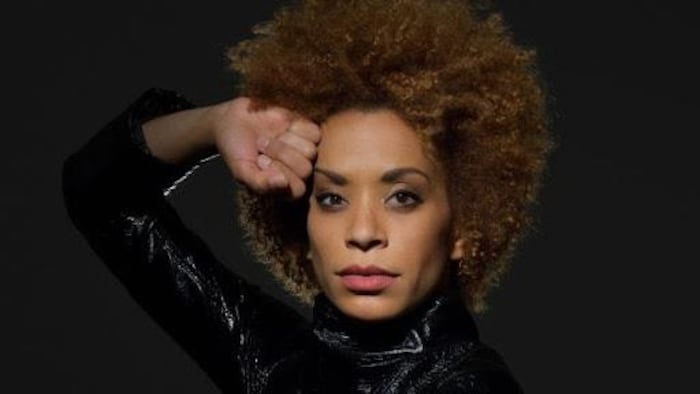
“It’s sad to see that despite the coexistence of several cultures in Quebec, there is still racism at different levels and a certain compliance and acceptance of the situation … it’s depressing”, said García. /Photo: Radio-Canada
Vanessa García
Montreal, Quebec
Vanessa Garcia is part of Les Grands Ballets Canadiens since 2006. She has worked her way up through all levels of this prestigious dance company, from corps de ballet to principal dancer. Today, Vanessa is also one of the choreographers of Les Grands Ballets. She was born in Spain and graduated from the Real Conservatorio Profesional de Danza de Madrid.
‘I have just publicly reported a troll who attacked me on social media recently and when I tried to report the account to the platform, they told me they couldn’t do anything about it because the account didn’t infringe the rules? I was stunned by how wrong that was.
It was shocking and at the same time, not so much. I was outraged that in this day and age there are people with that kind of mentality and questionable moral values, it’s quite disappointing.
But at the same time, I wasn’t surprised because this is not the first time I have been a victim of racist insults or discriminatory acts, and I’m sure it won’t be the last time either, unfortunately.

Vanessa Garcia is part of Les Grands Ballets Canadiens since 2006. /Photo: Radio-Canada
I have another example from the past. It was in the opinion section of a major Montréal daily newspaper back in January 2017.
The author of the text wrote that in order to play a leading role, I had to turn my hair blonde, lighten my skin and that I had everything of a white woman
.
After many discussions and difficulties with the newspaper and the people responsible for the publication of these opinion articles, I finally obtained a correction…
But it is something traumatic that has followed me over the years, like having a black cloud hanging over my head.
I have never heard of a black man being accused of whiteface
.
Wrongly so! The [author] was trying to denounce a false act of racism when the only racist in the story was him.
This is a clear example of what it is like to be perceived as different
from the stated norm, as a weird thing, constantly being judged and used as an object of debate
.
I don’t know how I do it, but I always find myself in the eye of the storm, being the object of cultural and racial controversies … even if I have nothing to do with the debate… I hate it!
These events definitely have some kind of impact on my work, the nature of which requires a noticeable presence in the public sphere and on social media. It is very frustrating to be exposed to criticism and sometimes insults, not in order to question my abilities and skills as a professional artist, but rather to judge me on the basis of my physical appearance or my cultural background.
It is frustrating to constantly have to defend and justify myself simply because I am dark-skinned. Many people choose to judge you and alienate you before giving you a chance … that’s the unfortunate truth.
Most white people don’t have to live in constant fear of being assaulted or fight every day for the right to live a normal life in peace.
It’s sad to see that despite the coexistence of several cultures in Quebec, there is still racism at different levels and a certain compliance and acceptance of the situation … it’s depressing.
But at the same time, I know that in other parts of the world, the level of racism, violence and discrimination is even worse, so I thank God that at least here, I am not afraid of being killed just for going out on the street to buy bread or going to work.
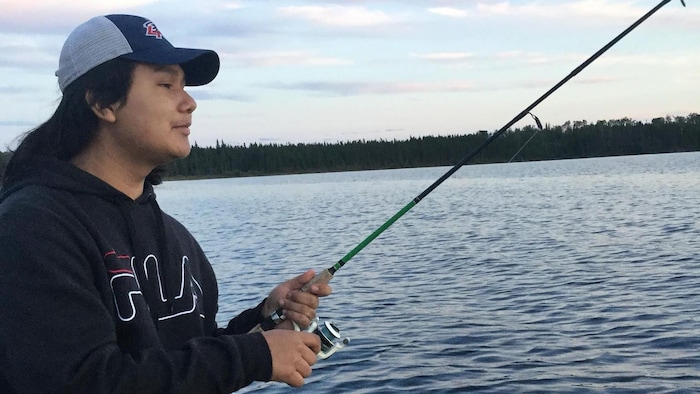
Yan-Maverick Quitich is from the Atikamekw community of Manawan. / Photo: Fournie par Yan-Maverick Quitich
Yan-Maverick Quitich
La Tuque, Quebec
‘I am proud to be an Atikamekw from Manawan. A small leader who expresses himself with care, despite the loss of his mother tongue.’
These words full of meaning had lost their meaning for Yan-Maverick Quitich when the young Indigenous man was subjected to racism two years ago. On the International Day for the Elimination of Racial Discrimination, he testifies.
On September 29, 2020, the Assembly of First Nations Quebec-Labrador (AFNQL) tabled its plan to fight racism and discrimination against Indigenous people. Twenty-four hours earlier, Atikamekw Joyce Echaquan died in troubling circumstances at the Joliette Hospital.
The last words she heard were degrading and racist. The filing of the plan was not the result of this death. It had been planned for a long time to remind us that after 400 years of cohabitation, it was time to ‘live better together’.
This is also what the International Day for the Elimination of Racial Discrimination reminds us every year. It is also what 16-year-old Yan-Maverick Quitich wishes for.
Yan-Maverick was born in an Indigenous community and grew up in a caring family and community. He was still very young when his family moved to La Tuque, in the Mauricie region. Nearly a quarter of the residents of this city of about 11,000 people are Indigenous. Integration was easy. In class, Indigenous and non-Indigenous children formed friendships without any problems.
‘Those were my best years in elementary school,’ he recalls. ‘I made a lot of white friends. ’
The K-word
Yan-Maverick loves field hockey. As a teenager he played recreationally in the Bantam B division. The players were all 13–14 years old. During a game against a team from Trois-Rivières, about 160 km from his home, he suddenly learned what the word racism meant.
He was first insulted by a field hockey coach from the opposing team. ‘Your fucking kawish won’t let go of my player! “Then by parents and youth.
Kawish, the word was introduced. Its origin is unclear, but what it implies is particularly pejorative. It is equivalent to being called a savage.
‘I didn’t expect that,’ says Yan-Maverick, who was not prepared for such an insult. His world suddenly collapsed, as did his certainties. In the days and weeks that followed, he was sad and unmotivated. ‘I started to not want to play field hockey anymore, to deny my Indigenous identity. ’
A trip to the woods with his mother to revitalize himself and talk helped. ‘I developed a thick skin thanks to my mother. ’
And he learned to defend himself: ‘If I feel attacked, I answer with the right words and not with my fists.’
The right words
‘Somewhere in our history, we redskins, we kawish. Atikamekw is my birth name, beyond the forests that surround us. ’
This excerpt from a slam by Yan-Maverick resonated last December during a fundraising show organized in tribute to Joyce Echaquan.
‘My text tells what we have been going through since the first day the white men arrived,’ he explains. ‘In the beginning we all lived in harmony, we were all friends; now, I don’t know what changed, [but] that’s how racism arrived. ’
He wrote L’identité last summer, during a musical week organized by the Lanaudière Native Friendship Centre.
That same summer, he made a name for himself at a demonstration in support of the Black Lives Matter movement. We saw him again at the Candlelight Tribute for Joyce Echaquan in October. He was always there ‘for my Indigenous brothers and sisters’, he says.
Yan-Maverick agreed to deliver his message loud and clear in front of thousands of people in the hopes of making a difference and showing that an Indigenous person can speak out.
The experience has since been repeated. ‘Some people have invited me to do other shows. I read them my text and everyone was moved. ’
‘I will testify for you, I will tell everything in detail to bring about justice,’ Yan-Maverick said in his slam.
So, Yan-Maverick went back to writing. He is currently working on L’identité – partie 2, ‘I tell the story of how to counteract racism,’ he explains. ‘To never let it get to you and always talk about it to people you trust or to challenge it, but with the right words. ’
The origins of the word ‘kawish’
No one knows the exact origins of the word. The term is particularly used against First Nations in Mauricie and Saguenay.
During a debate in the House of Commons in Ottawa on November 26, 2018, regarding Bill S-215, An Act to amend the Criminal Code (sentencing for violent offences against Aboriginal women), Liberal MP for Winnipeg Centre, Robert Falcon-Ouellette, suggested this hypothesis: ‘an elderly person from Quebec City explained to me the origin of the derogatory term kawish, which is sometimes used in Quebec City to refer to Indigenous people. In fact, the root of the word is awas, which means ‘far away’ in Cree. According to the elderly, the term means ‘to push someone away’ and stems from the sexual advances that non-Indigenous men often make to Indigenous women’.
Other Indigenous people believe that the term was used during the Second World War. It is thought to be a contraction of the words Canadian and Jewish, to reflect the treatment of Indigenous people at that time.
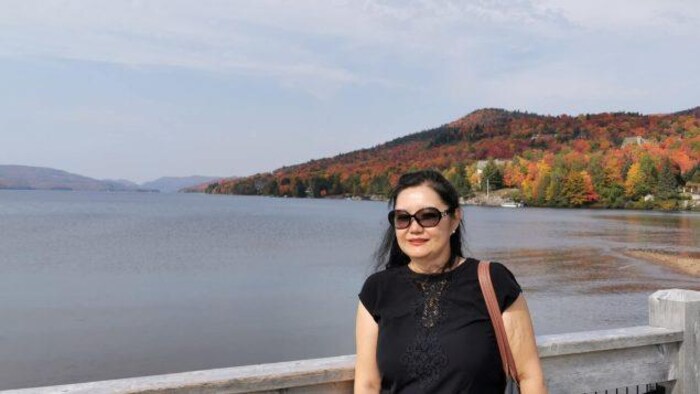
Li Xixi, director of the Chinese family service of Greater Montréal. / Photo: Radio-Canada
Li Xixi
Montreal, Quebec
Since the beginning of the COVID-19 pandemic, incidents of discrimination against Chinese and Asians have increased significantly around the world. The city of Montréal in Quebec is no exception.
Li Xixi is director of the Chinese family service of Greater Montréal. In an interview with Radio Canada International, she recounts some of the racism she has experienced personally, but also heard from members of the organization:
‘In April 2020, I accepted an interview with the newspaper La Presse. I talked about some of the particular difficulties faced by the Chinese community during the COVID-19 pandemic.
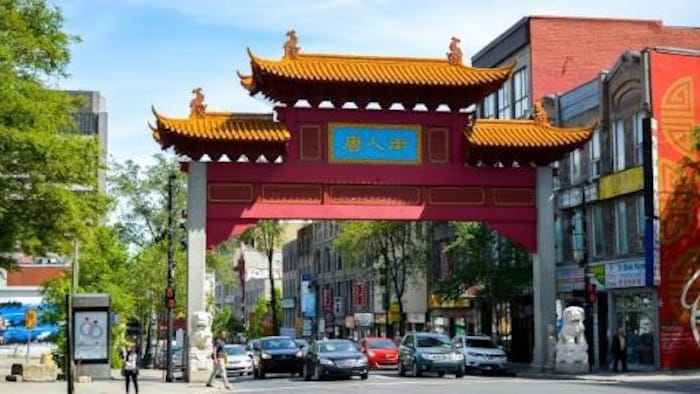
Chinatown, Montreal. / Photo: Radio-Canada
Due to language barriers and containment measures, some sick elderly people as well as newcomers didn’t know how to communicate with medical staff and how to get to the hospital, for example. Some people have even called the Chinese service centre in tears begging for help.
Following the publication of this article, I immediately received a hateful email. It was the first time in my life that I received such a message.
In his email, the author directly attacked the Chinese community by writing: The virus came from China. You are in Quebec, not in Communist China. You should learn French.
After that, I posted a text on Facebook that sparked a series of discussions.
I also handed the email in question to the police.
In addition to this email, various incidents of discrimination experienced by members of the Chinese family service came to my attention.
At the end of March 2020, just before the lockdown, in Montréal malls, when Chinese people entered the food markets, they could hear others around them saying, The virus is coming,
and then see everyone get up and leave.
At the strawberry farms, when they saw Chinese people, some people would simply say, The virus is here.
At school, some Chinese children are also discriminated against by children of other backgrounds. You can hear children say things like, I can’t be friends with you anymore and I can’t sit with you anymore.
.
Since the beginning of 2020, stone lion statues in Montréal’s Chinatown and Buddhist statues in temples have been repeatedly covered with malicious graffiti or damaged.
In the face of this discrimination, we call on the Chinese community to unite, to dare to speak out and to stand up. We also call on the Canadian government to take dedicated measures to resolve this problem.’
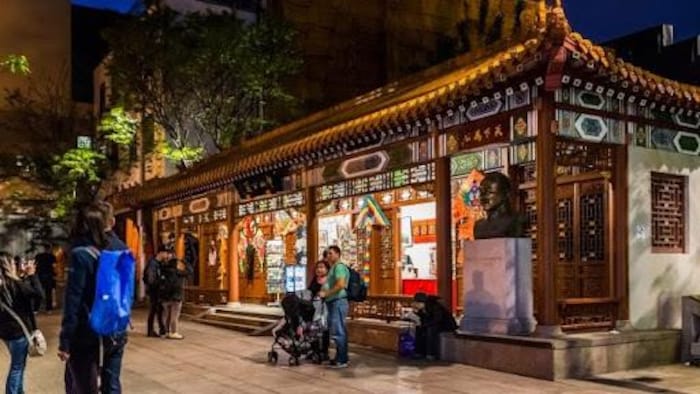
Montreal Chinatown. / Photo: Radio-Canada
Zhimei Zhang
Montreal, Quebec
By Zhimei Zhang, Author, Actress. Montreal, Quebec
I have been living in Canada for over 30 years. Personally, I have never been discriminated against because of my skin colour, gender or age, but I have heard and seen such incidents in the news.
Racial discrimination exists in every society in the world.
In contemporary Western societies, racial discrimination has become a very sensitive and even explosive issue.
I have seen and heard heinous incidents of racial discrimination. But I have also seen crimes committed under the banner of fighting racial discrimination.
For example, in the sensational Black Lives Matter movement, a number of criminals have joined the crowd of peaceful protesters to loot, set fires and seek personal gain. Therefore, we must avoid hasty generalizations and make a clear analysis of each situation involving this issue.
In my view, we must not tolerate any personal attacks, degrading or unequal treatment. But at the same time, we should not be overly concerned about certain words, looks or gestures.
For example, I live in an apartment building for seniors. Most of them are francophone and know little about China. Most of them have never been in contact with Chinese people. I am the only resident of Chinese origin there.
Sometimes I feel treated differently. Sometimes I sit alone. It’s because there are too many cultural differences between us and we can’t have a deep conversation. However, I made efforts to learn French, I tried to adapt, and now I have friends in the building.
As immigrants, we will always be faced with the dual issues of accepting our new country and being accepted.
We cannot accept others 100%, nor will we be accepted 100% by others. This is normal and it is not a question of who will transform whom. It is precisely because of these differences that Canada is a tolerant country that allows multiple cultures to coexist and shine together.

“Finally, in all circumstances and from all perspectives, media coverage should remain neutral and factual”, said Eileen Lao.
Photo: Radio-Canad/
Eileen Lao
British Columbia
Eileen Lao, assistant to MLA Michael Lee for Langara, Vancouver and former director of public affairs for S.U.C.C.E.S.S., the largest immigrant social service agency in British Columbia.
About two years ago, we went to the United States to attend a family wedding and took a Greyhound bus to get there.
At the bus station, we were the only Asians.
The bus was late, so we went to the front desk to get information about the status of the service. Perhaps it was because many people had already asked the same question, but an African American staff member misbehaved with us. This person deliberately mimicked my accent while another staff member next to him started laughing loudly.
On another topic, in late January of this year, a couple from Vancouver travelled to a remote community in Yukon in order to obtain the COVID-19 vaccine as soon as possible, i.e. before the vaccine was available to Vancouver residents.
To do this, they falsely claimed to be local workers and were able to get the vaccine at a mobile clinic. Their scheme was quickly discovered by the media.
Even before this shocking news was published in the mainstream press, an account on the Chinese social media ‘WeChat’ was already sharing the story with the catchy title ‘Chinese couple from Vancouver went to Yukon…’.
So, you see, I went through the Anglophone media to check each of the allegations appearing in the WeChat text, and I could not find any words suggesting or stating that the Vancouver couple was ethnically Chinese or of Chinese origin.
Shortly thereafter, the mainstream media revealed that the Vancouver couple was not Chinese and that the man was the President and CEO of the Great Canadian Gaming Corporation! This revelation prompted the above-mentioned WeChat account to delete its unverified information.
The facts show that discrimination against Asians in Canada is not limited to Caucasians.
It can also come from other people of colour, and even from Asians themselves.
Finally, in all circumstances and from all perspectives, media coverage should remain neutral and factual.
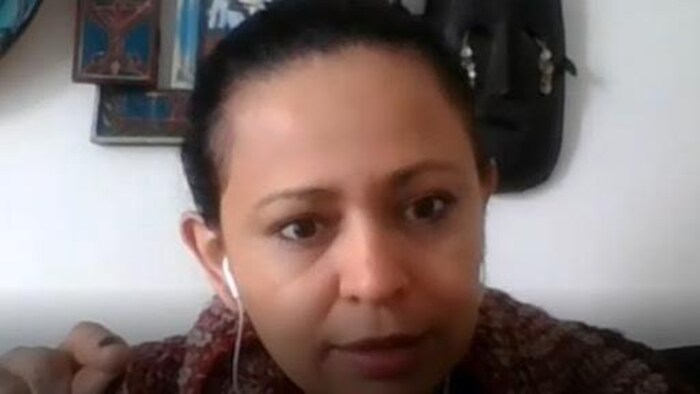
“Racism will not be eradicated if we don’t find out who is feeding it, who is promoting it”, said Rodríguez. / Photo: Radio-Canada
Clelia Rodríguez
Toronto, Ontario
When I came to Canada, the last thing I would have imagined was the way the police would treat us here. For me, that was a surprise. It was a wake-up call. We would always leave school as a group, as there were many new arrivals from El Salvador because of the war. That high school was full of newly arrived Salvadorans, like me. And obviously, collectively, because of all the trauma of the war that we hadn’t even processed psychologically, we tended to seek each other out.
I missed the Salvadoran accent, that black humour that characterizes us. Our humour is very peculiar. So I missed that. That need, that thirst, that sadness perhaps that I felt for not being in El Salvador … we had a tendency to form a group, and we would walk to our homes as a group. The times when we were stopped by the police just for walking in a group are countless, there were too many.
Then in the last year of high school, a Canadian girl who was working precisely on this kind of issue came to us. People today may not understand it, but at that time there were no protests like there are today. At that time it was not like that because we did not yet have our permanent residency. We were on a special refugee visa.
The young Canadian woman was collecting stories. She, with another colleague, came up with the idea of creating a poster in the subway to talk about racism. The poster featured about three Latinos, as in very typical Latinos, I think they exaggerated the look. She called for a rally. Nobody showed up. Obviously, I went because I was already pissed off. I think that’s the best description because when you get to that point, it goes beyond your safety. You reach a point where you think and say: ‘No, this needs taking a risk, this needs to be shut down’.
We developed a project with the police. Their representative arrived. At the time it was like the maximum that could be done: a poster in the Bloor-Yonge subway station. The Toronto Star newspaper did a story on this, and they still have it in their archives. It can be found online.
How can one understand what happened at that time, how can one understand the anger of people like me today? Don’t ask why one is angry. What someone has to do is a research paper on what we had to go through in high school here. Everything starts somewhere.
If one really wants to understand the context of racism here, it is very important that we realize that Canada has historically been a country that has been founded, that works, that operates on the basis of racism. One can no longer use the excuse of saying: ‘I didn’t know such things existed in Canada.’ Now you can even ask Alexa: Alexa, is there racism in Canada? I invite people to ask Alexa, Siri or Google, and see what they answer. If we can’t figure out how we contribute to the constant colonization that goes on in this country every day, then don’t talk to me about racism. It is necessary to carry out a dedicated work to ascertain where we are living. Who was here before us?
The year my daughter was born, in 1993, was the year they closed the last residential school in this country.
Racism will not be eradicated if we don’t find out who is feeding it, who is promoting it. It won’t be eradicated unless we are able to actually raise our voices in our day-to-day activities. It can be at a Starbucks, at the grocery store, any time we raise our voice and say, ‘No, not today.’ It is important to keep up this habit and teach it to the new generations.
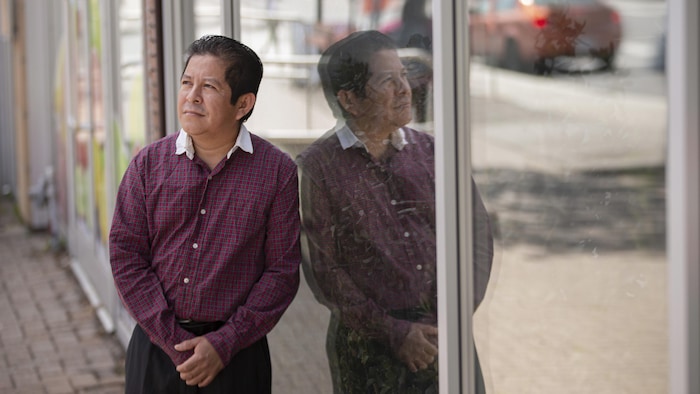
“I came to a ferme [farm] to work in the livestock industry, in the milk industry”, said Velázquez.Photo: Radio-Canada / Ivanoh Demers
Joni Velázquez
CHAUDIÈRE-APPALACHES, QUEBEC
My name is Joni Ismael Velázquez Gutiérrez. I am Mexican. I came to a ferme [farm] to work in the livestock industry, in the milk industry. There, I can say that I experienced a certain degree of racism and verbal abuse from my employer, because he insulted us, he always scolded us, even if we didn’t do the things ourselves, he always drew our attention with words that were a bit too harsh: ‘Câlisse, Mexican’, ‘Shitty Guatemalan’, ‘You’re not in Mexico, you’re not in Guatemala. You are in Canada.’ There was a time when he didn’t pay us for a month. We were eating rice with salt, me and my companion.
On one occasion, the only time he took me to buy (food in town), on the second month of the pandemic, he took me in the trunk of the car because, he told me, we couldn’t go three in the car. He was over speeding and in the snow. Sometimes I had to walk to cash my check so I could send it to my family, or to buy water, because the water we drank was rusty, it was red.
The facilities in the house were not ideal. The windows were broken. The floor was broken. The front door, when it snowed like now, the snow would get in. The heating was old-fashioned. We had to put wood in a stove to heat the house. It would then become filled with smoke, and when the firewood got wet because of the snow, we could not heat ourselves. So I think it was racism for treating us that way.
When I met him (the employer), he told me ‘I don’t want you to speak English’, because I told him that I spoke English. He said, ‘speak Spanish since I understand a little Spanish, or French’. I told him that I don’t speak French.
I had some friends that I met at the airport. They asked me about a month later: ‘How are you doing?’ I told them: ‘You know, I am not feeling well because sometimes I don’t have enough to eat, I don’t have enough to send money to my family, we are in the cold season, it is cold, we are invaded by rats, the house is broken, the work facilities are terrible, the animals are terrible, sick and injured.’
He told me: ‘I can put you in touch with someone who can help you.’ So they gave me the contact of the IWC [Immigrant Workers Centre] and they thank God, guided me, helped me and came directly to take me out, as if they had kidnapped me at seven o’clock at night and brought me to Montréal.
When I came to Canada, I arrived filled with excitement, with lots of hope. Just like all Latin people who come to work, because that’s why we come: we come to work. As I said, as long as they pay me, I work anywhere. I work twelve hours a day.
I worked seven days a week and I had the feeling that my pay did not arrive on time. It was neither on time nor complete, as sometimes it took a month to pay us. I am still in the fermes [farms]. I like the countryside, I am a rancher, you could say, I don’t have cattle but I consider myself that way because I like cattle.
Right now I am working on a buffalo farm. It is a new experience, it is very nice. The animals are more aggressive, but you have to know how to handle them and be successful in your work.

For his testimony, Alf Bell preferred that his name be kept confidential. / Photo: iStock
Alf Bell
Toronto, Ontario
Alf Bell is a public relations specialist who lives in the Greater Toronto Area. He came to the Queen City in 2000 as a permanent resident. In this testimony, he chose to keep his name confidential. However, in accordance with our journalistic standards and practices, RCI certifies his identity.
‘One day I walked into a supermarket in Malton, a very diverse neighbourhood in Mississauga. In fact, I think it has the highest concentration of South Asians in Peel Region. I was carrying a sort of student bag, a kind of pouch, hanging from one of my shoulders, with almost nothing in it. I was hungry and was planning to buy some bananas and a yogurt. But when I went to the fruit section, I started to feel that someone was walking behind me in sync…
Well, I thought it was just a coincidence that this young white man, I would say of English-speaking background, stopped a few steps behind me when I did so … but when I went to the dairy area, I saw that he was still behind me. So I asked him why he was following me. A bit surprised, he told me he was working at the place and just wanted to make sure I wasn’t going to put something in my bag and take it without paying, like shoplifting, you know!
I asked him why he was biassed, if it was because I looked like an immigrant, and he said no. He said it was because a lot of people who had stolen from that grocery store were using bags like the one I was carrying. I told him that, as far as I knew, it was not against the law to use bags wherever we want in Canada, and that was no reason for him to follow me and harass me.
I also said that I had seen people who didn’t look like immigrants like me in that same supermarket with bags and pouches and that no one was following them… I was not able to talk to the supervisor because I was in a hurry, I was going to miss a bus and I had to leave. In the end, I didn’t buy anything, of course!’
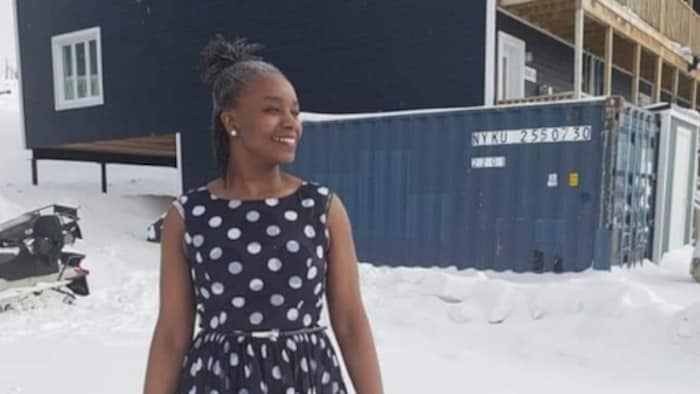
Francisca Mandeya was born in Zimbabwe . / Photo: Radio-Canada
Francisca Mandeya
Iqaluit, Nunavut
Francisca Mandeya was born in Zimbabwe where she witnessed racism in her early years. She then moved to Canada’s Far North – to Iqaluit, Nunavut. There she experienced racism once again:
‘The first time I was called a nigger – and I say it in full, because even children six to eight years old call me that – I was shocked because coming from Africa, no one called me that name and believe me, it was not the last time.
It was shocking that the person that’s saying that to me is the same age as my child. That was the first one, on Thanksgiving Day.
I cried, I didn’t understand why they were aggressive with those words and why they followed me. I didn’t know what they were going to do to me.
So I posted on Facebook and I said, you know, I’m hearing all these words that don’t describe who I am. I am not even black, the dress that I’m wearing is what is black. So why is it insulting me like that? Why is it following me, intimidating me like that.

Francisca Mandeya. / Photo: Francisca Mandeya
And so I guess at the back of my mind in wanting to make it right that those are some of the experiences that made me want to make a change.
What I have done is to go to my community, reach out to people that don’t look like me here in the city of Iqaluit, in the quest to be accepted, in the quest to tell the world that I’m an equal human being, with equal human rights deserving equal treatment.
I’ve reached out to my community, people that don’t look like me, Pakistani, Inuit, Africans from Jamaica, Caucasians from wherever, we came together.
And I shared a story, the Rainbow story, a story of diversity which we called Canadaversity
, and performed it here during Toonik Tyme [an annual celebration of Inuit traditions and return to spring] some three, four years ago.
And we had so much fun! We were locked in an embrace of love after the performance. It was no talking. Everyone felt the love. I didn’t have to know them for so long.
That is my commitment to contribute to society, to try and make life better for all of us.
I don’t claim to have it figured out. I’m still learning about myself. They hated me, the pain is still in me. But I can safely say that I have committed to reducing the darkness in me and to shine the light in me.
And that light is informed by unconditional love.
I am now building a movement of mothers, knowing that as mothers, the lessons we impart to our children have a bearing on life in this world, it can change the world.
So as mothers, you teach truth. No one on this Earth chose to be born the way they look.’
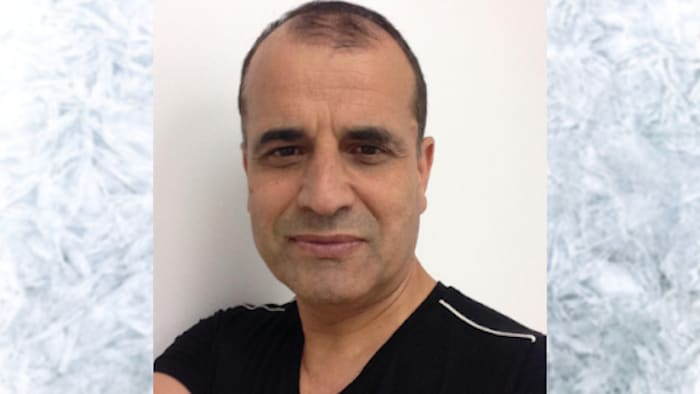
Mohammed Mahmoud came to Canada with his family in the early 1990s. / Photo: Radio-Canada
Mohammed Mahmoud
Montreal, Quebec
Mohammed Mahmoud and his daughter Layal, residents of Montréal. Discrimination based on name and skin colour.
Having names such as ‘Mohammed’ or ‘Mahmoud’ may not make life easier in the West. The Syrian-Canadian we spoke to has both.
Mohammed Mahmoud came to Canada with his family in the early 1990s. The family chose to live in Montréal, Quebec’s largest city.
In 2011, Mahmoud applied for a position within the multinational company for which he was working and which is headquartered in Montréal.
The position he was seeking was that of Unit manager, of which Mahmoud was a member. It was assigned to a non-immigrant colleague of Mahmoud’s who had less experience than he did.
The following day, another of Mahmoud’s colleagues, his former manager who had hired him in the company, asked him if he intended to do something ‘to that effect’. Mahmoud replied, ‘To what effect? To the fact that you did not get to be the head of your work unit,
his colleague replied. And why didn’t I get the job?
Mahmoud asked him. Because of your name: Mohammed Mahmoud,
replied his former director.
This event prompted Mahmoud to reflect on his future within the company. He finally decided to leave the company and work elsewhere.
Mahmoud adds that his daughter Layal [not her real name] also experienced discrimination in her new home society.
That was in 1993, the year following the family’s arrival to Montréal. The family had just moved to a working-class neighbourhood mainly populated by French-speaking Quebecers after living in a building near La Fontaine Park where half of the residents were immigrants.
The day after they moved in, Layal, who was seven years old at the time, headed down the street to play with the children. A woman standing on her balcony noticed her and shouted aloud, Go back to your country! There is no work for you here!
About a decade later, following the 9/11 attacks in the United States claimed by the jihadist organization al-Qaeda, a classmate told Layal, If I knew you were an Arab, I would have never sat next to you!
Layal, who was born in the West and doesn’t wear the hijab, has to this day endured what she describes as racist behaviour from some of her Quebec co-workers.
It is her swarthy complexion that indicates that she is an immigrant as well as her family name, Mahmoud, which exposes her to what she considers to be a’ micro-racism ‘that she faces within the Quebec society of which she is a part.
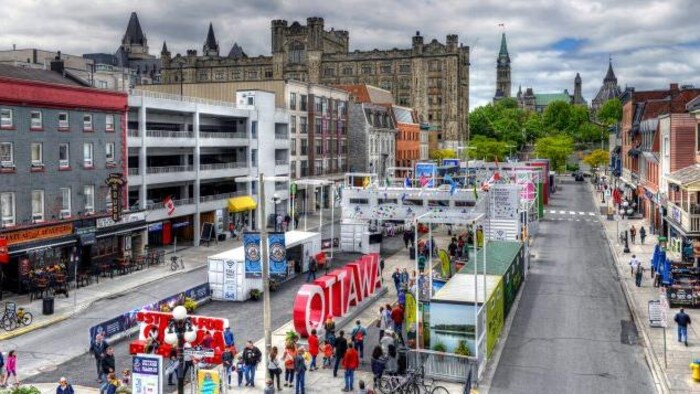
Hassan resides in Ottawa, the federal capital of Canada. / Photo: iStock
Hassan
Ottawa, Ontario
Racial profiling and discrimination on the basis of skin colour.
There are cars that cause trouble to their owners because of mechanical problems. There are also cars that are very reliable in terms of their mechanics, but cause another kind of trouble to their owners, especially if they are black.
Hassan (not his real name), of African origin, told us about the problems he had driving luxury cars.
Hassan has lived in Ottawa for a quarter of a century and owns a used car store. Prior to that, he lived in Montreal for about four years, but left the Quebec metropolis for the federal capital in search of better economic opportunities.
About 15 years ago, Hassan got into trouble with the police for driving a BMW. The police arrested him and asked him to show the papers proving that he was the owner of the car. He showed his papers and they let him go.
In the following months, police patrols arrested him on two other occasions for the same reason: he was asked to show his papers and those of the car.
When Hassan asked the police officers why he was stopped again to check his papers, they told him that it was ‘a routine check,’ ‘a random check’, or that ‘many BMWs have been stolen lately’, which required more checks on drivers of this German brand.
Hassan was convinced that getting stopped by the police three times in as many months while driving his BMW was more racial profiling than anything else. He went to a police station and voiced his displeasure at what had happened to him, but he heard the same justifications.
Hassan then sold his BMW in order to avoid what he saw as excessive police scrutiny.
Following this experience, Hassan was again arrested by police in a Lexus owned by a friend. The friend had tasked Hassan with selling the car for him.
Again, it was ‘a routine check’. When the officers checked all the papers and verified that Hassan was a used car salesman, they let him go.
As a result of this incident, Hassan decided to no longer drive luxury cars, except when necessary for his work. Even if he could afford them, he didn’t want to get into trouble with the police again.
Hassan also told us about another incident, also in Ottawa, which may well be considered racial discrimination.
He had a car accident with another vehicle about four years ago. The police arrived. The officer took a statement from the driver of the other car, a white woman, but not from Hassan.
When Hassan asked the officer why she did not take his statement along with hers, she replied that the statement of the driver of the other car was sufficient.
Three days later, Hassan was issued a ticket and fined over $400. The police accused him of running a red light, which would have caused the accident with the other driver.
Hassan denied committing the infraction and challenged it in municipal court.
He said that the judge charged the police officer for not taking his statement and only taking one party’s statement, and for giving him a larger fine than he should have received if he had actually run a red light. According to Hassan, the judge quashed the infraction and the fine.
The post Racism in Canada: Words to tell wrongs appeared first on CANADA VOICE.
]]>The post Refugee appeared first on CANADA VOICE.
]]>Canada, known for its welcoming and inclusive society, has long been a beacon of hope for individuals fleeing persecution, violence, and conflict in their home countries. With its robust refugee protection system and a commitment to providing sanctuary to those in need, Canada has become an attractive destination for refugees seeking safety and a fresh start. However, the journey to finding refuge in this vast nation is not without its challenges.
Table of Contents
- Canada’s immigration system is a world leader and provides many opportunities for those who would like to come to Canada
- Understanding the Canadian Refugee Process
- Who Qualifies as a Refugee in Canada, according to the IRCC?
- Non-eligibility for Refugee Claim in Canada
- Economic and family immigration programs
- Refugee resettlement
- Opportunities for living in Canada on a temporary basis
- Come to Canada – the right way
Canada’s immigration system is a world leader and provides many opportunities for those who would like to come to Canada
Every year, millions of people from around the world come to Canada to visit, work, or study temporarily. In addition, more than 300,000 people are approved to make Canada their permanent home each year under three broad categories – economic immigration, family reunification, and humanitarian considerations.
That doesn’t mean that Canada offers a free pass to anyone. Whether you’ve got Temporary Protected Status or no status in the United States or are coming from any particular region of the world, there is a strict process in place. You might think that once you’re in, you’re in, but that’s just not the case.
To be able to remain in Canada, there are several important steps you must successfully proceed through in our immigration system. When you enter Canada irregularly outside an official port of entry, you are intercepted and arrested by the police.
You then face a rigorous process to determine whether or not you have a legitimate refugee claim according to Canadian and international law. This includes complete security and background checks. There are no guarantees that you will be able to stay in Canada. If it is determined that you are not in need of Canada’s protection, the process to remove you from Canada is initiated. There are, however, many legitimate ways to come to Canada to visit, study, work, or live.
Understanding the Canadian Refugee Process
The Canadian refugee process serves as a vital roadmap for individuals seeking safety and protection within Canada’s borders. This multifaceted system aims to ensure that those fleeing persecution, violence, or other forms of harm find refuge in a fair and compassionate manner.
The process involves the thorough assessment of asylum claims by the Immigration and Refugee Board (IRB), an independent administrative tribunal responsible for making decisions on refugee status. The process includes:
- Initial application.
- · Eligibility assessment.
- · Interviews.
- · Document verification.
- · Medical and security checks.
- · The final determination.
Who Qualifies as a Refugee in Canada, according to the IRCC?
There are two main types of people who can be qualified for refugee claims in Canada, these are:
- Convention refugee.
- · Person In Need Of Protection.
Convention refugee in Canada
A Convention Refugee is a person who is outside their home country or the country they normally live in and Can’t go back due to fear of persecution of:
- Race.
- · Religion.
- · Political opinion.
- · Nationality.
- · Being part of a social group, such as women or people of a particular sexual orientation.
Person In Need Of Protection In Canada
As for a Person in need of protection. A person in need of Protection is a person inside Canada who can’t return to their homeland because they fear:
- Torture.
- · Risk to their life.
- · Risk of cruel and unusual treatment or punishment.
Non-eligibility for Refugee Claim in Canada
The IRCC will decide if your Refugee Claim can be referred to the Immigration and Refugee Board of Canada IRB. Your Refugee Claim could not be eligible to be referred to the IRB in case you:
- Had a previously REJECTED Refugee Claim by the IRB.
- · Had a previous ineligible Refugee claim.
- · Have an existing Refugee Claim in another country.
- · Arrived via the Canada–United States border and were granted a protected person status in Canada.
- · Are inadmissible due to security grounds (Criminal record or Human Rights violation).
- · Are recognized as a Convention refugee by another country that you can return to.
Economic and family immigration programs
Most people who successfully apply for permanent residence are chosen through Canada’s economic immigration programs:
- Express Entry: The first step for most economic immigrants is to submit a profile under Express Entry. In the profile, the person receives ranking points based on their language ability, education, skills, and experience. Every two weeks, the candidates with the most points are invited to apply for permanent residence.
- Provincial Nominee Program: Provinces (except Quebec) nominate the immigrants they would like, based on criteria they set that address their own needs.
- Quebec-Selected Skilled Workers: The Province of Quebec selects its own skilled workers.
- Start-up Visa Program: Entrepreneurs with business ideas and the support of Canadian investors can become permanent residents and launch their businesses here.
- Caregiver Program: Individuals who have gained experience working in Canada providing in-home care to children, or people with high medical needs, can apply for permanent residence.
Through the Family Class, Canadian citizens and permanent residents can sponsor loved ones to join them in Canada. This includes spouses and common-law partners, dependent children, parents, and grandparents.
Refugee resettlement
Canada also has a proud humanitarian tradition. This tradition includes resettling refugees from abroad, and an in-Canada asylum system for those with a well-founded fear of persecution, torture, or death. While eligible asylum claimants can live in Canada while they wait for their claim to be decided, a rejected claim means that they are expected to leave Canada – or they will be removed.
Opportunities for living in Canada on a temporary basis
In addition to the opportunities to apply for permanent residence, there are also many avenues to come to Canada on a temporary basis as a tourist, worker, or student.
Canada has one of the most generous programs in the world for international students. Our excellent academic institutions currently host more than 400,000 international students. While studying here, most students can gain work experience and, upon graduation, can continue to work in Canada for up to three years. With experience studying and working in Canada, many students apply to immigrate permanently.
Temporary workers are also welcomed each year through Canada’s work permit programs. Like students, thousands of workers gain the experience they need in Canada to then apply for permanent residence. Opportunities to work temporarily in Canada include:
- Temporary Foreign Worker Program: Employers who haven’t been able to find Canadians or Canadian permanent residents for the jobs they have available can get permission to hire workers from other countries for nearly any type of job.
- International Mobility Program: Some people can be hired by employers without needing permission due to the benefits they will bring to Canada. This includes researchers, certain business people and professionals, workers with specialized knowledge being transferred by their employer to Canada and others.
- International Experience Canada: Young people from countries that Canada has agreements with can apply to come to Canada for a working holiday, an internship, or an experience as a young professional.
Come to Canada – the right way
Immigration has played a major role in Canada’s history and development as a country. With the variety of opportunities that people from abroad have to come to Canada, immigration will continue to be a vital part of the growth of Canadian society and the Canadian economy.
The best way to be welcomed by Canada is to apply through one of our established immigration programs. Attempting to enter Canada irregularly at a location other than a port of entry gives no guarantee that you will be able to stay in Canada.
The post Refugee appeared first on CANADA VOICE.
]]>The post شتاء كندا: خصائصه والميّزات appeared first on CANADA VOICE.
]]>يحدّد علماء الأرصاد الجويّة فصل الشتاء بالفترة الممتدّة على ثلاثة أشهر والتي تبدأ في الحادي والعشرين من كانون الأوّل ديسمبر وتنتهي في الحادي والعشرين من آذار مارس. لكنّ الحديث عن الشتاء الكندي مختلف.
وتختلف خصائص الشتاء الكندي من مقاطعة إلى أخرى في بلد مترامي الأطراف يمتدّ من المحيط الأطلسي شرقاً إلى المحيط الهادي غرباً وإلى الدائرة القطبية شمالاً.
وتزخر كندا، ثاني أكبر بلد في العالم من حيث المساحة، بطبيعتها المتنوّعة من سهول وجبال وسواحل وبحيرات، تتوزّع على مساحة تقارب العشرة ملايين كيلومتر مربّع.
خصائص فصل الشتاء تتغيّر بين منطقة و أخرى، و تتفاوت مدّته ودرجة قساوته والبرد القارس والعواصف الثلجيّة والثلوج والأمطار والرياح والجليد والأمطار الجليديّة وسواها من العوامل المرافقة لهذه الفترة من السنة.
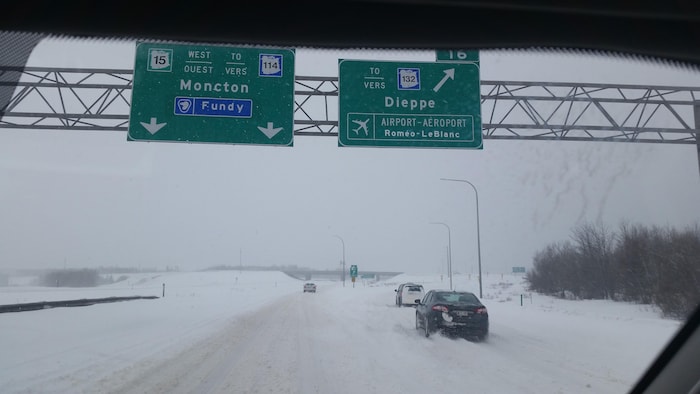
طريق سريع في منطقة مونكتون في مقاطعة نيو (نوفو) برونزويك في شرق كندا خلال عاصفة ثلجية في كانون الثاني (يناير) 2019.
الصورة: Radio-Canada / Mona Landry
فالخريف الكندي يحمل في أذياله بعضا من الشتاء، وليس مستغربا أن تتساقط الثلوج خلال هذا الفصل أو أن تتدنّى الحرارة لتقترب أحيانا من مستوياتها المعهودة خلال فصل الشتاء.
والربيع بدوره قد لا يخلو في بعض السنوات من الثلوج حتّى ولو كانت هذه الثلوج تذوب بسرعة بفعل ارتفاع درجات الحرارة.
حتّى أنّه يقال هنا على سبيل المزاح إنّ في كندا فصلين: الشتاء وشهر تمّوز يوليو، للتدليل ربّما على طول الفترة الشتويّة التي يعيشها الكنديّون.
إلاّ أنّه رغم قساوة الشتاء وشدّة البرودة وكثافة الثلوج، فالحياة تستمرّ عاديّة، باستثناء بعض الحالات التي يتمّ فيها إقفال المدارس وبعض الطرقات الرئيسيّة لفترة قصيرة.
ويحتلّ فصل الشتاء مكانة مهمّة في الثقافة الكنديّة وتحظى مهرجانات الثلج العديدة التي تقام في اكثر من مدينة ومقاطعة، بشعبيّة واسعة لدى الكنديّين كما تجتذب المزيد من السيّاح سنة بعد سنة.
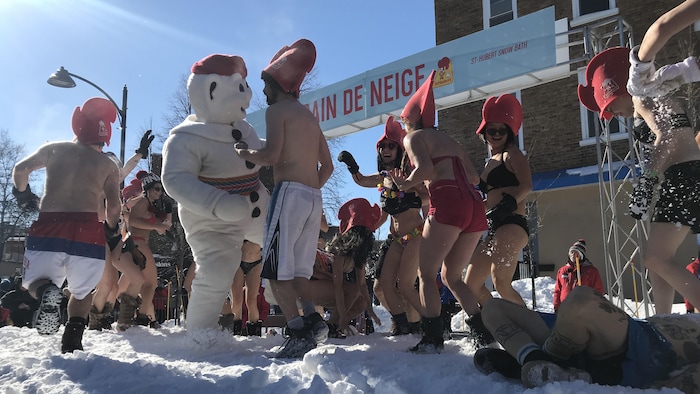
ارتدى حوالي 40 مشاركاً ملابس السباحة في كرنفال مدينة كيبيك الشتوي الخامس والستين عام 2019.
الصورة: Radio-Canada / Nahila Bendali
وتتخلّل هذه المهرجانات العديد من الألعاب والعروض الفنيّة والمباريات الرياضيّة والألعاب الناريّة.
كما يبدع النحّاتون في النحت على الجليد والثلج، فتخرج من بين أيديهم منحوتات رائعة غنيّة بقيمتها الإبداعيّة رغم أنّها فنّ عابر يزول مع زوال الثلوج وذوبانها.
وكثيرة هي المؤلّفات والكتب والأشعار والأغنيات التي تتناول فصل الشتاء، وثمّة أغنيات تتغنّى به وأخرى تتأفف منه.
وإذا كان الكنديّون يستفيدون من فصل الشتاء ونشاطاته وأجواء الفرح التي تضفيها طوال أشهر البرد القاسية، إلاّ أنّ عليهم أن يحتاطوا لبعض المحاذير التي قد يؤدّي إليها البرد الشديد والقارّي أحيانا كثيرة.
هذا وتحذّر وزارة البيئة المواطنين من مخاطر فصل الشتاء ومن عوامل الطبيعة القصوى فتوجّه رسائل لإطلاعهم على المناطق التي تتأثّر بعوامل طبيعيّة غير اعتياديّة وتعطي معلومات مثلا حول العاصفة الثلجيّة ووقت حدوثها ومدّتها وسرعة الرياح التي تصحبها وكمّيات الثلوج المتوقّعة.
كما تعطي معلومات حول سبل الوقاية الفرديّة وأثناء القيادة ووقاية المنزل من أضرار محتملة وتوجّه الرسائل عبر وسائل الاعلام وعبر محطّات الإذاعة والتلفزة الخاصّة بأحوال الطقس والتي تعمل على مدار الساعة دون توقّف وطوال أيّام السنة وأيضا عبر موقع الطقس الإلكتروني التابع للحكومة الكنديّة.
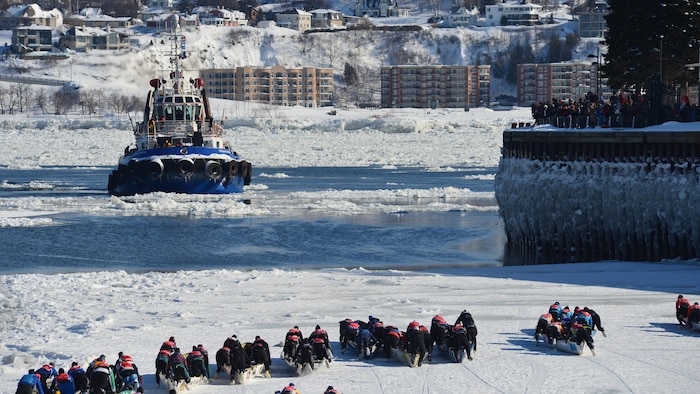
سباق زوارق الجليد في نهر سان لوران خلال كرنفال كيبيك الشتوي في شباط (فبراير) 2020.
الصورة: Radio-Canada / Erik Chouinard
وقلّما يغادر الكنديّ منزله قبل الاطّلاع على حال الطقس والاستماع إلى التوقّعات والارشادات في الحالات الخاصّة.
والشتاء في كندا قاس للغاية وهو من بين الأقسى في العالم كما تطالعنا به وزارة البيئة الكنديّة والظروف المحيطة به قاسية وخطيرة أحيانا لا سيّما العواصف الثلجيّة التي تتسبّب في انعدام الرؤية أو العواصف الجليديّة التي تؤدّي إلى تشكّل طبقة من الجليد تتسبّب في انزلاق المشاة والسيّارات إن لم يتنبّهوا ويأخذوا احتياطاتهم لمواجهتها.
وعلى سبيل المثال، تنصح وزارة البيئة الكنديّة بتجهيز السيّارات بإطارات خاصّة بفصل الشتاء (نافذة جديدة). وإطارات الشتاء إلزاميّة في مقاطعة كيبيك وفي بعض المناطق الجبليّة في مقاطعة بريتيش كولومبيا باستثناء منطقة فانكوفر الكبرى.
وهي إلزاميّة أيضا بالنسبة للباصات المدرسيّة في مقاطعة نيوبرنزويك في الشرق الكندي.
أمّا في مقاطعة اونتاريو، فمن الممكن الإفادة من حسم على قيمة التأمين على السيّارة المجهّزة بإطارات شتويّة.
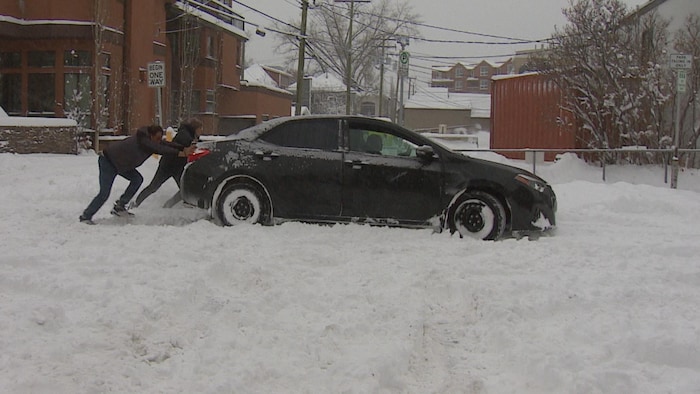
شخصان يدفعان سيارة عالقة في الثلج في كالغاري، كبرى مدن مقاطعة ألبرتا في غرب كندا، في كانون الأول (ديسمبر) 2020.الصورة: Radio-Canada / Louise Moquin
وإن أردنا الحديث عن فصل الشتاء بصفة محدّدة، يصعب الحديث عن شتاء واحد كما يقول عالم الأرصاد الجويّة في تلفزيون راديو كندا باسكال ياكوفاكيس.
الشتاء متغيّر كثيرا هنا نظرا لأنّ البلاد شاسعة. والشتاء على سواحل كندا الشرقيّة يختلف عمّا هو عليه في السواحل الغربيّة و في مقاطعات البراري وفي اونتاريو وكيبيك
ويشير ياكوفاكيس إلى أنّ فصل الشتاء يطول كثيرا عندما نتّجه نحو القطب الشمالي، وكلّ هذه تغيّرات جغرافيّة.
’’والجامع المشترك هو البرد القارس والثلج، وخلافا لما يعتقد الكثيرون فالثلوج قليلة في الشمال القطبي، لكنّ الطقس شديد البرودة‘‘، يضيف ياكوفاكيس، ذلك أنّ الهواء البارد لا يحوي الكثير من الرطوبة خلافا للهواء الساخن، وتتساقط الثلوج بوتيرة مرتفعة ولكن بكميّات قليلة، والطقس بالتالي جاف في هذه المناطق.
فصول الشتاء في كندا تتوالى دون أن تتشابه بالضرورة، بمعنى أنّها تكون أكثر أو أقلّ اعتدالا من سنة إلى أخرى، ويعود ذلك إلى مجموعة متضافرة من العوامل حسب قول باسكال ياكوفاكيس.
’’هنالك دورات يمكن أن نشاهدها ولكنّ الأمر ليس واضحا تماما بعد. وهنالك تأثير بالغ الأهميّة للمحيط الهادي ولظاهرة ’النينيو‘ المناخيّة‘‘.
ومعظم مناطق البلاد في الجنوب، وهي المناطق المأهولة، تعرف فصل شتاء أكثر اعتدالا في حين تؤدّي ظاهرة ’’النينيا‘‘ المناخيّة عكس ذلك إلى شتاء بارد وقارس وخصوصا في غرب البلاد، يضيف باسكال ياكوفاكيس.
ففي بريتيش كولومبيا في الغرب الكنديّ المطلّ على المحيط الهادي، يتأثّر مناخ المقاطعة بخطوط العرض والتضاريس الجبليّة والمحيط الهادي.
ويؤثّر هذا التنوّع الطوبوغرافي في درجات الحرارة وكميّات الأمطار والثلوج وساعات أشعّة الشمس بحيث تختلف من منطقة إلى أخرى داخل المقاطعة نفسها.
أمّا جنوب بريتيش كولومبيا، فهو أكثر دفئا من شمالها، وفصل الشتاء معتدل بالإجمال على سواحل المقاطعة، وفي حال تساقطت الثلوج، فإنّها تذوب بسرعة كما يوضح عالم الأرصاد الجويّة باسكال ياكوفاكيس.
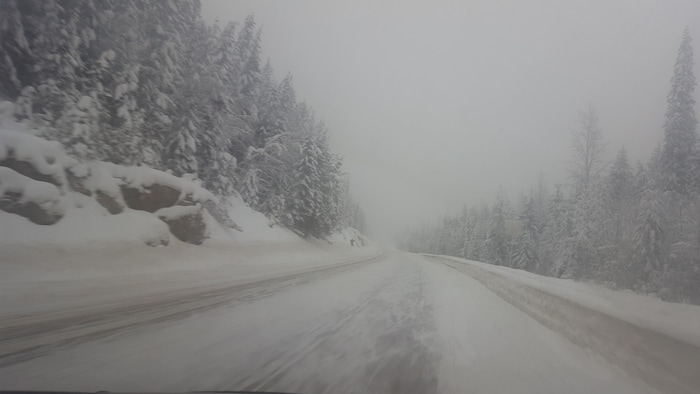
طريق في منطقة منتجع جاسبر في جبال روكي في غرب ألبرتا في كانون الثاني (يناير) 2019. الصورة: Adel Mwika
لكنّ الأمر مختلف في المناطق الداخليّة البعيدة عن الشاطئ، حيث تتدنّى الحرارة لتقارب الصفر وتتساقط الثلوج بكثرة خلال الفترة الممتدّة من تشرين الثاني نوفمبر حتّى آذار مارس ممّا يحتّم الاحتياط وارتداء الملابس الدافئة والقفّازات وقبّعات الصوف لمقاومة البرد.
وتتميّز منطقة الجبال الصخريّة المجاورة بمناخها القارّي حيث تقف الجبال حاجزا في وجه التيّار الهادي الشمالي وهو تيّار مائي محيطي.
وتشمل الجبال الصخريّة في جزئها الكندي مقاطعتي بريتيش كولومبيا والبرتا.
وخلافا للمنطقة الساحليّة، تتميّز منطقة الجبال الصخريّة بفصل شتاء شديد البرودة بسبب التيّارات الجليديّة من القطب الشمالي.
وتهبط رياح شينوك الجافّة والحارّة من سفوح الجبال الصخريّة نحو جنوب البرتا خلال فصلي الشتاء والربيع وقد تصل سرعة الرياح أحيانا إلى 120 كيلومترا في الساعة وتتسبّب بذوبان الثلوج بسرعة فائقة، وترتفع الحرارة في أقلّ من ساعة من 10 درجات مئويّة تحت الصفر إلى 19 درجة مئويّة فوق الصفر.
وتُعتبر منطقة جنوب البرتا عاصمة رياح شينوك، ويطلق أبناء المقاطعة على هذه الرياح تسمية ’’آكلة الثلوج‘‘ ويرحّبون بالدفء المرحليّ الذي ينعمون به بفضلها في عزّ فصل الشتاء.
وفي مقاطعات البراري الواقعة في وسط الغرب الكندي، الطقس شبه قطبي وفصل الشتاء بالتالي طويل وقارس البرد.
وتتساقط الثلوج بكثافة وتترافق درجات الحرارة المتدنيّة أحيانا كثيرة مع عواصف ثلجيّة.
قساوة فصل الشتاء تلك تعوّض عنها ربّما ساعات أشعّة الشمس المرتفعة في مقاطعات البراري الثلاث، ألبرتا ومانيتوبا وسسكتشوان.
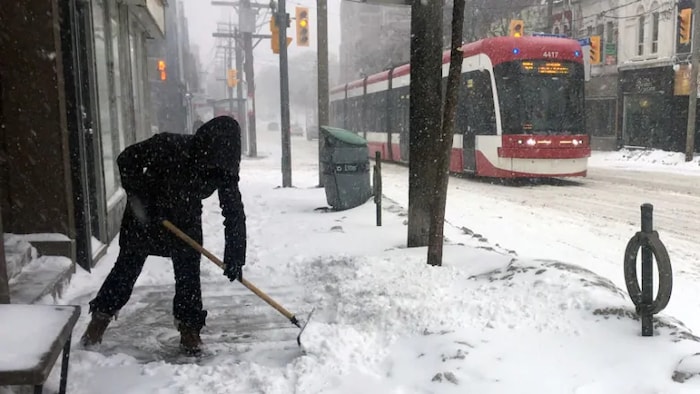
شخص يقوم بإزالة الثلوج عن أحد الأرصفة في تورونتو، كبرى مدن أونتاريو وكندا على السواء، في شباط (فبراير) 2020.
الصورة: CBC/Nick Boisvert
وفي وسط الشرق الكندي تتميّز مقاطعتا أونتاريو وكيبيك بطقس قاريّ، وتتساقط الثلوج بكميّات متفاوتة بين منطقة وأخرى، وتختلف درجات الحرارة بين منطقة وأخرى، لكنّها تتدنّى في بعض الأحيان إلى عشرين مئويّة تحت الصفر.
وفي شرق مقاطعة كيبيك، تتضافر مجموعة من العوامل من بينها رطوبة خليج سان لوران والتضاريس والرياح الجنوبيّة، فينتج عنها عواصف ثلجيّة متكرّرة خلال فصل الشتاء.
وأمّا المقاطعات الشرقيّة المطلّة على المحيط الأطلسي، فشتاؤها يشبه شتاء كيبيك ولكنّه أقلّ قساوة.
وتتساقط الثلوج بكثافة في نوفا سكوشا ونيوبرنزويك وجزيرة الأمير ادوارد بفعل الرطوبة القادمة من المحيط الأطلسي وتتسبّب العواصف من المحيط الأطلسي في تساقط كميّات كبيرة من الثلوج مصحوبة أحيانا كثيرة برياح قويّة.
أمّا مقاطعة نيوفاوندلاند ولابرادور في شمال شرق كندا، فتختلف ظروف الشتاء فيها من منطقة إلى أخرى ولا عجب في ذلك إن عرفنا أنّ مساحة المقاطعة تفوق الأربعمائة ألف كيلومتر مربّع.
وتتميّز نيوفاوندلاند بشتائها المعتدل نسبيّا وفق المعايير الكنديّة بالطبع، وتتراوح كثافة الثلوج فيها بين معتدلة ومرتفعة لكنّ الشتاء في لابرادور شديد البرودة وهو أقرب إلى شتاء الشمال الكنديّ الكبير وتتدنّى الحرارة في بعض الأحيان إلى 40 درجة مئويّة تحت الصفر.

رئيس حكومة أونتاريو دوغ فورد يقف بجانب المرموط الأمهق ويلي القابع في قفصه.
الصورة: La Presse canadienne / Doug Ball
يوم المرموط: عندما يختلط العلم بالأسطورة
تختلط الوقائع والأساطير المتعلّقة بفصل الشتاء في مخيّلة الكنديّين. وهم يتحدّثون بخفّة عن الشتاء علّ ذلك يخفّف من وطأته ويسلّيهم وينسيهم قساوته.
يوم المرموط Groundhog Day واحد من الأساطير التي تندرج في الفولكلور الشتوي الكندي.
فالثاني من شباط فبراير من كلّ عام هو يوم المرموط Le jour de la marmotte وينتظره الكنديّون سنويّا ليعرفوا إن كان فصل الشتاء سيطول أم لا.
ويتزامن هذا التاريخ بين موعدي الاعتدال الشمسي الشتوي في كانون الأوّل ديسمبر والربيعي في آذار مارس.
ويرتبط طول فصل الشتاء أو قصره حسب الأسطورة بخروج المرموط من جحره.
و التقليد هذا مستوحى من أسطورة تعود إلى القرون الوسطى يوم كان حيوان القنفذ هو الذي يتوقّع قدوم فصل الربيع بسرعة أم لا تبعا لحال لطقس في الثاني من شباط فبراير.
وقد حمل المستعمرون الأوروبيّون هذا التقليد معهم إلى الشمال الأميركيّ قبل ما يزيد على مئتي سنة، ونظرا لعدم وجود حيوان القنفذ، ارتبطت التوقّعات بحيوان المرموط وهو من رتبة السنجبيّات.
وفي حال كان الطقس غائما ومعتدلا، فلن يرى المرموط ظلّه، ما يعني أنّ فصل الشتاء شارف الانتهاء ولن يعود هذا الحيوان إلى سباته.
وفي حال كانت السماء صافية وشاهد الحيوان ظلّه، فالشتاء مستمرّ ومعه البرد القارس.
ولا تخلو الأسطورة من المنطق لأنّه عندما تكون السماء زرقاء صافية، يكون ذلك بفضل إعصار عكسي قطبيّ يظلّل المنطقة، ويشير الهواء البارد والجاف إلى أنّ فصل الشتاء سوف يستمرّ.
أمّا الطقس الغائم، فيكون بسبب منخفض جوّي غالبا ما يحمل رياحا ناعمة ورطبة، ما يؤشّر بأنّ فصل الشتاء شارف على الانتهاء وبات الربيع على الأبواب.
وتبدأ الاحتفالات في يوم المرموط منذ الصباح الباكر، في العديد من مدن أميركا الشماليّة.
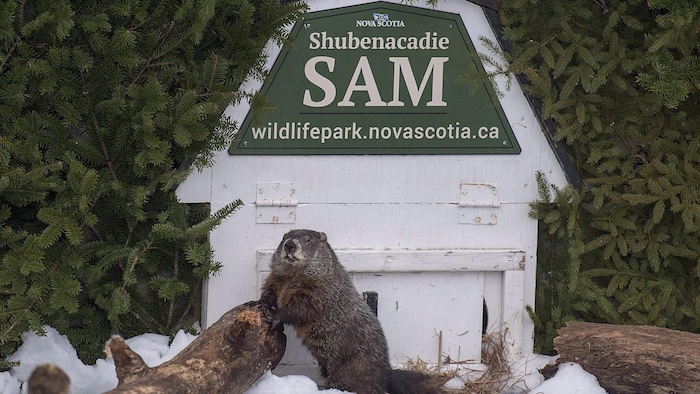
المرموط سام يقيم في بلدة شوبيناكادي في مقاطعة نوفا سكوشا في شرق كندا.
الصورة: La Presse canadienne / Andrew Vaughan
ويجري الاحتفال الأكثر شهرة منذ عام 1887 في مدينة صغيرة تقع إلى جنوب بيتسبورغ في ولاية بنسلفانيا الأميركيّة حيث يعيش المرموط الأكثر شهرة المدعو ’’فيل‘‘ Phil.
والمرموط ’’فيل‘‘ مولود كما تقول الأسطورة في القرن التاسع عشر ويعود طول عمره إلى إكسير سحريّ.
ويعتني به أشخاص محدّدون يرتدون في يوم الاحتفال زيّا رسميّا أسود اللون وسترة طويلة ويعتمرون قبّعة عالية.
ويعتبرون أنّ ’’فيل‘‘ هو الوحيد الذي يمكن الوثوق به وأنّ أمثاله الباقين محتالون.
وفي مقاطعة أونتاريو، فإنّ المرموط ’’ويللي‘‘ Willie هو الأشهر وتعود قدرة التبصّر لديه لكونه مولودا على خطّ العرض 45 في منتصف الطريق بين خطّ الاستواء والقطب الشمالي كما تقول الأسطورة.
وبدأ الاحتفال بيوم المرموط في كندا بفضل ’’ويللي‘‘ عام 1956 في حين يتألّق في مقاطعة نوفا سكوشا في الشرق الكندي مرموط آخر يدعى سام.
ويرى القيّمون على يوم المرموط أنّ التوقّعات صحيحة بنسبة تتراوح من 75 بالمئة إلى 90 بالمئة.
لكنّ دراسة كنديّة تناولت توقّعات هذا اليوم على مدى الثلاثين عاما الماضية وجدت أنّها كانت صحيحة في 37 بالمئة من الوقت.
والعبرة أنّه من الافضل الوثوق بتوقّعات الارصاد الجويّة وليس بما يتنبّأ به حيوان المرموط !
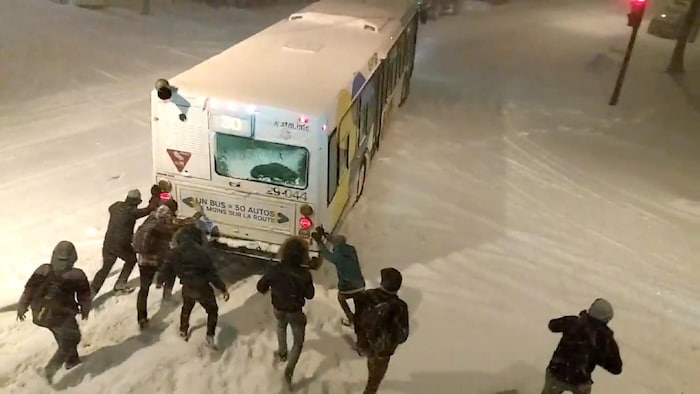
بعض المارة يساعدون حافلة نقل مشترك في مونتريال على التحرر من الثلوج التي تعيق انطلاقتها في آذار (مارس) 2017.
الصورة: Radio-Canada
فصل الشتاء الكندي بعيون المهاجرين
لا نكشف سرّا إن قلنا إنّ فصل الشتاء الكندي يطول ويطول وقد يكون لطول مدّته تأثير على نفسيّة الكنديّين رغم حبّهم لهذا الفصل وكلّ ما يرتبط به على أكثر من صعيد اجتماعي وثقافي ورياضي وترفيهي.
وقد يكون طول المدّة أشدّ وقعا عليهم من البرد القارس والبرد القطبيّ والثلوج المتراكمة فوق مساحات شاسعة ترتدي حلّتها البيضاء لأسابيع عديدة.
وتتعدّد الأسباب التي تجعل الكنديّين يتأفّفون من فصل الشتاء وفي طليعتها ربّما صعوبة التنقّل على الطرقات رغم أنّ حملات رفع الثلوج ناشطة وسريعة في مختلف أنحاء البلاد.
وترصد البلديّات موازنات سنويّة ضخمة لعمليّات رفع الثلوج عن الطرقات والأرصفة، ورشّ المواد المانعة للانزلاق لتسهيل حركة السير والتخفيف من
الحوادث التي قد تقع للسائقين وللمارّة الذين قد ينزلقون على طريق كساها الجليد والثلج.
أضف إلى ذلك ضرورة رفع الثلوج عن السيّارة في حال كان صاحبها لا يملك مرآبا لركنها فيها.
وأيضا رفع الثلوج من أمام مداخل المنازل لمن لا يعمد إلى خدمات شركات مختصّة في هذا المجال.
ويتأفّف البعض من زحمة السير خلال ساعات الذروة خصوصا إن تزامنت مع عاصفة ثلجيّة أو عاصفة جليديّة أو أمطار جليديّة.
وتكثر الكتب والمؤلّفات والدراسات التي تتناول علاقة الكنديّين بفصل الشتاء و الأسباب التي تجعل منه الفصل الأصعب بالنسبة للكثيرين منهم.
’’الشتاء، هذا الفصل الذي نحبّ أن نكرهه (نافذة جديدة)‘‘، عنوان اختاره الكاتب الكندي جيري توبان لكتابه حول الموضوع.
وقام الكاتب وأستاذ علوم الأرض في جامعة البرتا جيري توبان وفريق عمله باستطلاع آراء ألف كنديّ حول نظرتهم إلى الشتاء، وخلص إلى أنّ معظم الكنديّين لا يحبّون كثيرا هذا الفصل.
وتناول الكاتب الطريقة التي تتحدّث بها وسائل الاعلام عن فصل الشتاء، ولاحظ أنّ ستين بالمئة من المقالات سلبيّة بالإجمال.
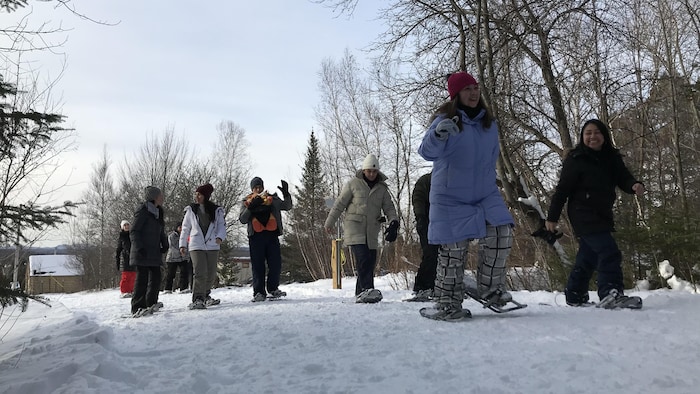
قادمون جدد خلال درس تدريبي على التأقلم مع الثلوج في مدينة شيربروك في مقاطعة كيبيك.
الصورة: Radio-Canada
و قد تتفاوت النظرة إلى فصل الشتاء بين الكنديّين المولودين هنا والكنديّين من أصول مهاجرة.
وغالبا ما يتوهّم المهاجر قبل وصوله إلى كندا، من قساوة فصل الشتاء. وقد ارتبط اسم كندا وصورتها تقليديّا بالبرد والثلج وأكواخ الثلج ’’إيغلو‘‘ وصيد الأسماك من خلال دائرة محفورة في الجليد فوق سطح الأنهار وسواها من الصور التي تعلق في الذاكرة.
ولا يتأفّف المهاجرون أكثر من سواهم ربّما من فصل الشتاء، والمؤكّد أنّ نظرتهم إليه ومشاعرهم تتغيّر مع الوقت.
ففي نظر الواصل حديثا، ولا سيّما من بلاد حارّة أو معتدلة، قد تكون بضعة سنتيمترات من الثلج كثيفة، ودرجة الحرارة القريبة من الصفر شديدة البرودة.
وقد يتفاجأ البعض عندما يلاحظ أنّ البرد والثلوج لا تعيق الحياة العاديّة، ولا تقفل المدارس والمكاتب أبوابها، ولا تتوقّف حركة السير على الطرقات وتستمرّ الاحتفالات والحياة الليليّة والمهرجانات كالعادة.
ويتأقلم المهاجرون مع فصل الشتاء ولا سيّما أنّ كلّ الظروف مهيّأة لتسهيل أمورهم اليوميّة ويمكنهم اختيار الألبسة والمعاطف والأحذية المناسبة تبعا لتقلّبات الحرارة ونسبة البرد.
الشابّة رهام العظم محامية سوريّة وصلت إلى كندا عام 2016 وأمضت أوّل شتاء في مقاطعة ألبرتا المعروفة بطقسها القارس البرد.
تصوّرتُ في البداية أنّني لن أخرج من المنزل ولن أزاول نشاطاتي اليوميّة. ولكنّني تأقلمت وأدركت أنّه لا يوجد شتاء سيّء بل هنالك ثياب سيّئة
وصحيح أنّ فصل الشتاء طويل في مدّته وقد يتسبّب بالاكتئاب لدى البعض، لكنّ بإمكان كلّ إنسان بمفرده أن يتكيّف معه كما تقول رهام العظم.
ندى أبو رجيلي مساعدة اجتماعيّة متقاعدة وصلت من لبنان عام 1990، وتقول إنّها تأقلمت مع فصل الشتاء والحياة تستمرّ كالمعتاد حتّى في ظلّ طقس عاصف وشديد البرد.
بالإمكان أن نتأقلم مع فصل الشتاء وأصعب ما فيه ربّما هو طول مدّته. ويصعب أن يتصوّر أهلنا في لبنان أنّنا نتأقلم مع درجات الحرارة المتدنيّة وكأنّ شيئا لم يكن قالت المساعدة الاجتماعيّة
فالأنشطة الشتويّة كثيرة ومتنوّعة ومناسبة لكلّ الأعمار، تقول ندى أبو رجيْلي، مشيرة إلى أنّها تزاول نشاطات في الخارج مع أحفادها وأخرى مع المتقاعدين وكلّ شيء على ما يرام.
سعاد بونخلة مؤسّسة ومديرة جمعيّة العربيّة للتقارب الثقافي وصلت إلى كندا في عزّ الشتاء وسط عاصفة ثلجيّة ضربت مدينة مونتريال.
الصدمة لم تكن ثقافيّة بقدر ما كانت مناخيّة كما تقول مازحة، وتضيف بأنّ شتاء كندا قاس ومدّته طويلة وهي تحنّ إلى شمس المغرب ودفئه.
ورغم الثلوج والبرد والعواصف، فدورة الحياة لا تتوقّف كما تقول سعاد بونخلة مشيرة إلى أنّ كلّ التسهيلات موجودة ومن الممكن أن يستمتع الإنسان أينما كان في حال كان إيجابيّا.الصورة: Radio-Canada
ويمارس الجميع الرياضات الشتويّة ويستمتعون بها ويتأقلمون مع الطقس، ولا تقفل المدارس أبوابها شتاء إلاّ في حالات قليلة جدّا، كما أنّ الأعمال تستمر كالمعتاد وكندا مجهّزة تماما لفصل الشتاء.
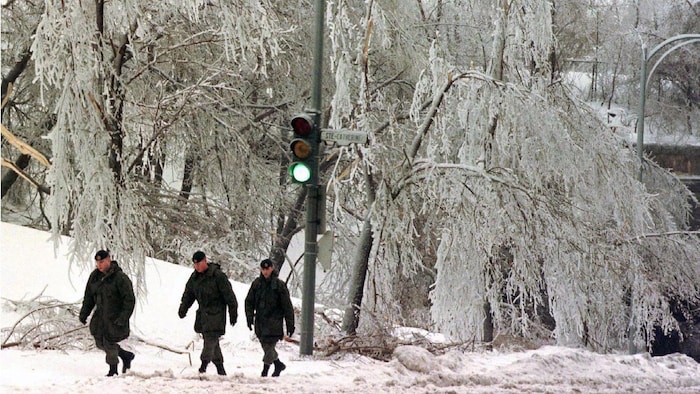
ثلاثةٌ من الجنود الكنديين الذين انتشروا في مقاطعة كيبيك لمساعدتها على مواجهة العاصفة الجليدية التي اجتاحتها في كانون الثاني (يناير) 1998 يسيرون في التاسع من الشهر المذكور إلى مقرّهم العام في مدينة ويستماونت في جزيرة مونتريال.
الصورة: La Presse canadienne / ROBERT GALBRAITH
محطّات بارزة في الشتاء الكندي
الحديث عن فصل الشتاء في كندا يحتّم التوقّف عند محطّات بارزة ومهمّة تحصيها وزارة البيئة في شتّى أنحاء البلاد.
العاصفة الجليديّة التي اجتاحت مقاطعة كيبيك في كانون الثاني يناير من العام 1998 كانت واحدة من أسوأ الكوارث الطبيعيّة في تاريخ كندا.
فقد تسبّب ارتفاع درجات الحرارة بذوبان الثلوج وفي تشكُّل طبقة من الجليد حول أعمدة الكهرباء وخطوط النقل ممّا أدّى إلى انهيارها كما انهارت أغصان الأشجار تحت ثقل الجليد.
وانقطع التيّار الكهربائي عن نحو مليون ونصف مشترك ونزح نحو من ستمئة ألف شخص بصورة مؤقّتة عن منازلهم وتسبّبت العاصفة الجليديّة بخسائر قاربت الخمس مليارات ونصف المليار دولار.
شتاء العام 2013-2014 كان شديد البرد في مختلف أنحاء البلاد باستثناء مقاطعة بريتيش كولومبيا وإقليم يوكن.
فقد بدأ الشتاء مبكّرا منذ تشرين الأوّل اكتوبر واستمرّ حتّى نيسان ابريل وحلّت الفترة الممتدّة من كانون الأوّل ديسمبر حتّى شباط فبراير في المرتبة الثامنة كأقسى شتاء في مقاطعتي كيبيك وأونتاريو.
كما أنّ فترة الخمسة أشهر الممتدّة من تشرين الثاني نوفمبر حتّى آذار مارس كانت الأبرد منذ أن بدأ حفظ السجلاّت الوطنيّة عام 1948.
وعلى سبيل المثال، تدنّت الحرارة في العاصمة أوتاوا إلى 25 درجة مئويّة تحت الصفر في الرابع من كانون الثاني يناير، وتدنّت إلى 47 درجة مئويّة تحت الصفر بفعل عامل الرياح في مدينة لاك بونوا في مقاطعة كيبيك.
مدينة سسكتون في مقاطعة سسكتشوان اكتست بحلّة الثلج البيضاء طوال ستّة أشهر، في حين تلقّى أبناء تورونتو 36 إنذارا بالبرد القارس ليكون فصل شتاء العام 2013 الأقسى والأبرد الذي تعرفه المدينة الملكة منذ 20 عاما.
وزارة البيئة من جهتها وجّهت تحذيراتها للمواطنين من برد ينخر العظام في حين نفذت في بعض المدن كميّات ملح الطريق نظرا لارتفاع كميّات الثلوج واضطرار البلديّات لرشّ الطرقات والأرصفة بالملح لتجنّب حوادث الانزلاق
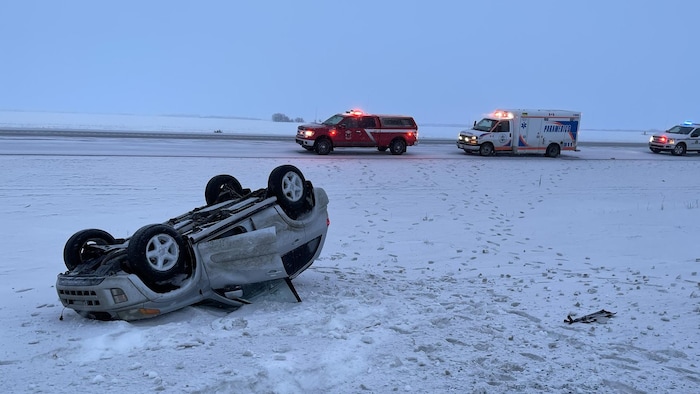
حادث بسبب الجليد على الطريق في منطقة وارمان في مقاطعة ساسكاتشيوان في غرب كندا.
الصورة: Twitter – Services d’incendie de Warman
إن كان شتاء 2013-2014 من بين الأقسى منذ منتصف القرن الماضي يوم بدأ حفظ السجلاّت الوطنيّة، فإنّ شتاء العام 2015- 2016 كان الثاني الأكثر دفئا واعتدالا منذ عام 1948.
ولم ينفرد الشتاء الكندي باعتداله في تلك السنة ويعود السبب إلى ظاهرة ’’النينيو‘‘ المناخيّة التي أثّرت في أكثر من منطقة حول العالم.
درجات الحرارة في ريجاينا عاصمة مقاطعة سسكتشوان لم تتدنّ و لا يوم في شباط فبراير إلى 20 مئويّة تحت الصفر ولم تعرف وينيبيغ المدينة الكنديّة الأشدّ بردا إلاّ يوما واحدا تدنّت فيه الحرارة إلى 30 درجة مئويّة تحت الصفر.
إلاّ أنّ لفصل الشتاء المعتدل سلبيّاته والايجابيّات: فقد نعم الكنديّون بالدفء والطقس الجميل، ونعم المتزلّجون في غرب البلاد بظروف مميّزة لممارسة رياضتهم الشتويّة، في حين كان موسم التزلّج سيّئا في شرق البلاد وارتفعت مخاطر حدوث فيضانات في فصل الربيع مع ذوبان الثلوج.
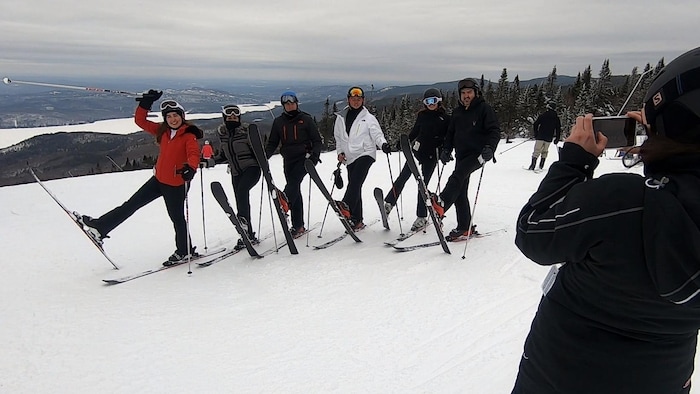
سياح مكسيكيون خلال ممارستهم رياضة التزلج في منتجع مون ترامبلان الجبلي في مقاطعة كيبيك.
الصورة: Radio-Canada
التزلّج في كندا: عائدات بملايين الدولارات
يمارس الكنديّون رياضة التزلّج خلال فصل الشتاء، فضلا عن رياضة ألواح التزلّج ورياضة المشي على الثلج بواسطة حذاء الثلج الخاص المسمّى Raquette بالفرنسيّة وSnowshoes بالإنكليزيّة.
وينشر مجلس التزلّج الكندي بصورة دوريّة إحصاءات حول عدد محطّات التزلّج وعدد المتزلّجين الذين يرتادونها، استنادا إلى أرقام شركة Print Measurement Bureau التي تجري إحصاءات حول المنشورات ولا سيّما منها الاقتصاديّة والطبيّة.
محطّات التزلّج الأكثر شهرة موجودة في بريتيش كولومبيا وألبرتا وأونتاريو وكيبيك، وهي تجتذب المتزلّجين والزوّار من كندا ومن حول العالم.
صناعة التزلّج مورد رزق لآلاف الأشخاص، وتدرّ عائدات بمئات الملايين سنويّا لتتصدّر بذلك قائمة الأنشطة السياحيّة.
والحديث عن التزلّج يقودنا للحديث عن اداء الكنديّين المميّز في الرياضات الشتويّة في المباريات التي تجري في كندا وحول العالم وفي طليعتها الألعاب الأولمبيّة الشتويّة وقد شاركت كندا في كافّة الدورات الأولمبيّة الشتويّة واستضافت هذه الألعاب في مدينة كالغاري عام 1988 وفي مدينة فانكوفر عام 2010.
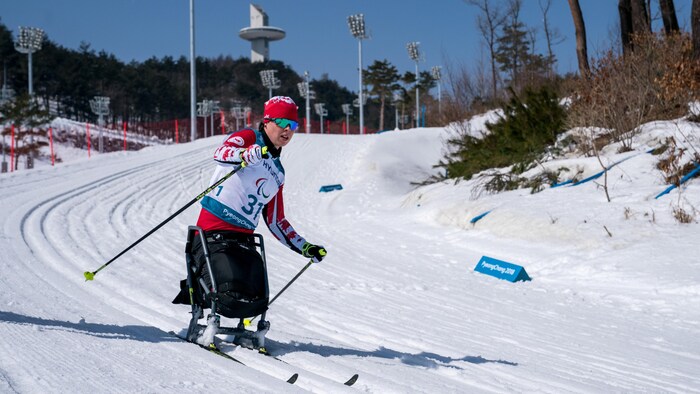
المتزلجة الكندية سيندي ويليت خلال مشاركتها في الألعاب البارالمبية عام 2018 في بيونغتشانغ في كوريا الجنوبية.
الصورة: Reuters / Handout .
ويحقّق اللاعبون الكنديّون نتائج مشرّفة وقد حلّت كندا في دورة ألعاب بيونغ تشانغ في كوريا الجنوبيّة عام 2018 في المرتبة الثالثة وحصد الأبطال الكنديّون تسعا وعشرين ميداليّة في مختلف الرياضات من بينها إحدى عشرة ميداليّة ذهبيّة وثمان ميداليّات فضيّة وعشر ميداليّات برونزيّة.
الرقم القياسي سجّلته كندا في فانكوفر إذ أصبحت أوّل دولة تفوز بأربع عشرة ميداليّة ذهبيّة في دورة ألعاب شتويّة، وهو الرقم نفسه الذي حقّقته كلّ من ألمانيا والنروج في دورة بيونغ تشانغ.
(تقرير لميْ أبو صعب نُشر للمرة الأولى في 29 كانون الأول / ديسمبر 2018. فادي الهاروني ساهم في اختيار الصور في النسخة الحالية)
The post شتاء كندا: خصائصه والميّزات appeared first on CANADA VOICE.
]]>The post Canadian Permanent Resident Card renewal Process in 2023 appeared first on CANADA VOICE.
]]>Table of Contents hide
1 How to apply for Canadian permanent resident card renewal?
2 The required documents to renew a permanent resident card
3 What is the processing time of a permanent resident card renewal?
4 What is the cost of renewing a permanent resident card?
5 Where to get a PR card photo cheap and fast?
How to apply for Canadian permanent resident card renewal?
Generally, you should be able to apply for a Canadian permanent resident card renewal via an online portal or book an appointment with a government office. Remember that you must provide several government documents and pay a processing fee. Here is a quick step-by-step guide on the application process:
- Get the application package: This package will provide all the details on the personal information and documents you will need to submit.
- Pay the PR Card application fee: The application fee may vary slightly based on your location but it is estimated you will be paying $50.
- Submit your application: The final step is to submit the application with all the additional documents. This can be done in person or through an online portal.
The required documents to renew a permanent resident card
Applying for the renewal of a Canada PR card is more accessible than the initial application. Therefore, if you follow government guidelines precisely, it will be a simple process. Here are some tips for renewing your PR card:
- Take a photocopy of your current card
- Copy of your passport or travel document
- 2 identical photos
- A copy of the receipt of the processing fee
What is the processing time of a permanent resident card renewal?
It is essential to apply early when looking to renew your permanent resident card. It takes an estimated 90 days for your renewal to be accepted; however, in some cases, it can be issued within 45 days.
You can speed up the pr renewal process by ensuring that your two photos meet the government requirements and are not denied by the passport office. Smartphone iD is an excellent online tool that is affordable and verifies that the photo will meet the requirement set out by the government.
What is the cost of renewing a permanent resident card?
Renewing a Canadian permanent resident card will be roughly $50. However, this cost can go based on where you choose to have your ID photos taken. If you want to save money on your ID renewal photos, we recommend using a cheap and reputable app like Smartphone iD to take them.
Where to get a PR card photo cheap and fast?
You can have your pr photo card taken at a photo studio, pharmacy, or grocery store, but the cheapest & fastest option is to use Smartphone iD. Our app is easy to use and provides Ai verification to ensure that It meets all the requirements determined by the government. Therefore, you will not have to worry about the photo being denied and slowing down the processing time.
The post Canadian Permanent Resident Card renewal Process in 2023 appeared first on CANADA VOICE.
]]>The post Difference Between Citizenship and Permanent Residency appeared first on CANADA VOICE.
]]>Once you become a permanent resident, you are automatically issued a permanent residence (PR) card. A PR card is basically the Canadian equivalent of the US green card.
Once an individual becomes a Canadian permanent resident, they have a number of rights including:
Access to the same social benefits as any Canadian citizen, including healthcare coverage;
The right to live, work, study anywhere in Canada;
Protection under Canadian law and the Canadian Charter of Rights and Freedoms;
The right to apply for Canadian citizenship.
Canadian permanent residents also share many of the social responsibilities of Canadian citizenship, such as paying taxes and abiding by Canadian laws. In fact, there are really only two things that Canadian citizens can do that permanent resident can’t. Canadian permanent residents cannot vote or run for office. There are also some restrictions against permanent residents holding certain government positions that require a high-level security clearance.
Canadian permanent residents do not get a Canadian passport. If permanent residents want to travel outside Canada, they can do so using a valid PR card, or on a Permanent Resident Travel Document (PRTD), and the passport from their country of citizenship.
PR cards have a validity period, so they have to be renewed regularly. However, you do not automatically lose your permanent resident status if your PR card expires. To maintain your permanent resident status, you do need to meet certain residency requirements.
As a permanent resident, you are able to live outside of Canada. However, you must live in Canada for at least two years in a five-year period. If you live outside of Canada for longer, you may lose your status. Exceptions do exist, though. For example, time spent outside Canada while accompanying a spouse or common-law partner or parent who is a Canadian citizen can be counted towards residency. You can also count time spent abroad if you are assigned to a position outside Canada by a Canadian business.
Even if you fail to meet residency requirements, you do not automatically lose permanent residence status. You can only lose your status if you go through a formal process.
CANADIAN CITIZENSHIP
So, what is the difference between permanent residence and Canadian citizenship? The main difference is that before someone can become a citizen, they must first become a permanent resident.
Permanent residents can apply for citizenship once they have met certain residency requirements. As a naturalized citizen of Canada, they can apply for a Canadian passport and can freely participate in Canadian politics. In fact, there are absolutely no differences between naturalized citizens and citizens born in Canada.
Other than the ability to participate in Canadian politics, the most significant difference between permanent residence and citizenship is that permanent residence must be maintained. Once you are a Canadian citizen, you do not need to do anything to maintain your citizenship. You can only lose your Canadian citizenship if you choose to renounce it.
askkubeir.com/difference-between-citizenship-and-pr/
The post Difference Between Citizenship and Permanent Residency appeared first on CANADA VOICE.
]]>The post Immigration, Refugees and Citizenship Canada appeared first on CANADA VOICE.
]]>grants citizenship, and
issues travel documents (such as passports) to Canadians.
https://www.canada.ca/en/immigration-refugees-citizenship.html
The post Immigration, Refugees and Citizenship Canada appeared first on CANADA VOICE.
]]>The post Immigrate to Canada appeared first on CANADA VOICE.
]]>https://www.canada.ca/en/immigration-refugees-citizenship/services/immigrate-canada.html
Publication – Welcome to Canada: What you should know
Moving to Canada is an exciting opportunity but also a great challenge. Find what to expect in your first few weeks of coming to Canada and learn how to:
find a place to live,
get around your new city,
work and go to school and
connect with your community.
You will also find information on Canadian laws, health care and how to get help settling in Canada.
The post Immigrate to Canada appeared first on CANADA VOICE.
]]>The post How Canada’s refugee system works appeared first on CANADA VOICE.
]]>A refugee is different from an immigrant. An immigrant is a person who chooses to settle permanently in another country. Refugees are forced to flee.
https://www.canada.ca/en/immigration-refugees-citizenship/services/refugees/canada-role.html
Refugees and asylum
Apply for refugee status from within Canada, find out how to come to Canada as a refugee, sponsor a refugee or find refugee services in Canada.
https://www.canada.ca/en/immigration-refugees-citizenship/services/refugees.html
The post How Canada’s refugee system works appeared first on CANADA VOICE.
]]>The post Service Canada appeared first on CANADA VOICE.
]]>Service Canada is a federal institution that is part of Employment and Social Development Canada.Service Canada provides Canadians with a single point of access to a wide range of government services and benefits. We are committed to improving services for Canadians by working with partners to provide access to the full range of government services and benefits that Canadians want and need through the Internet, by telephone, in person or by mail.
https://www.canada.ca/en/employment-social-development/corporate/portfolio/service-canada.html
Service Canada Programs and Services
The A to Z services index is an alphabetical listing of programs and services administered by Service Canada website. You can browse programs and services by title or keyword.
For information related to specific departments, consult the list of Departments and Agencies.
The post Service Canada appeared first on CANADA VOICE.
]]>